

Merchandising standards – rules for effectiveness
Basic principles for effective merchandising
Merchandising – A Complete Guide to Modern Retail
Table of Contents
Merchandising is a key factor for the success of brands, distributors, and commercial agencies in today’s competitive environment. In modern commerce—i.e., structured retail channels such as supermarkets, hypermarkets, drugstores, and specialized retail chains—good product positioning, proper execution of promotions, and excellent brand visibility are not just recommended, but critically important for sales growth and market share retention.
This guide brings together the most important and practical information about merchandising—from basic principles and types to specific techniques, standards, and software solutions that digitize processes. Whether you are a manufacturer, distributor, or work in a merchandising agency, here you will find knowledge and tools that you can immediately apply in a real commercial environment.
1. Basic principles for effective merchandising
Merchandising is the art and science of presenting your products in a way that attracts attention and stimulates purchases. The basic principles of effective merchandising include:
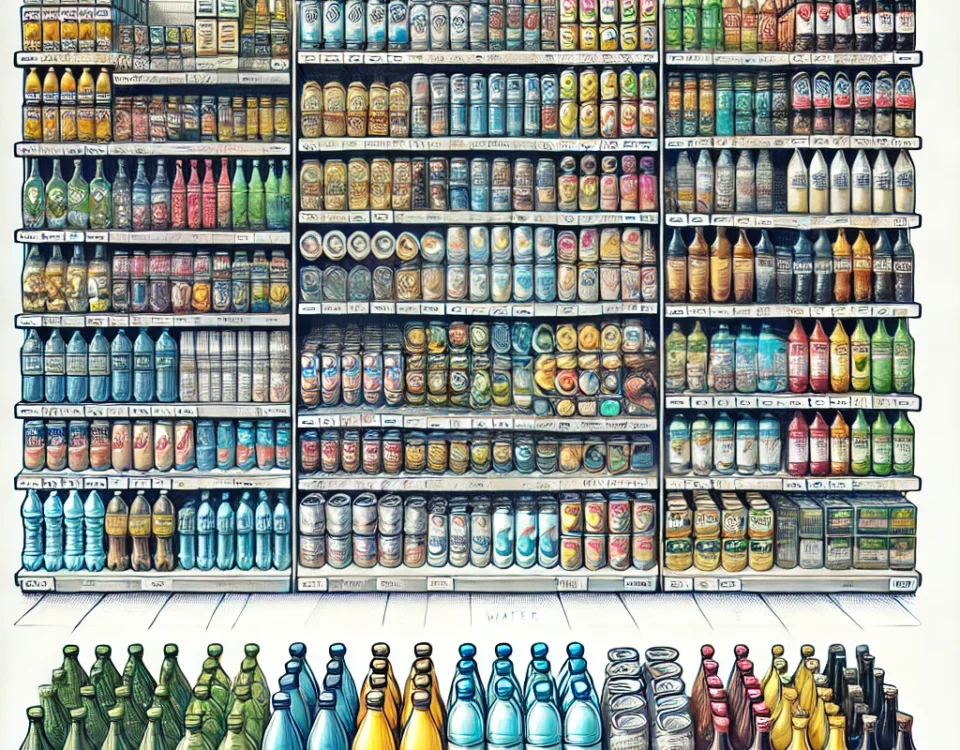
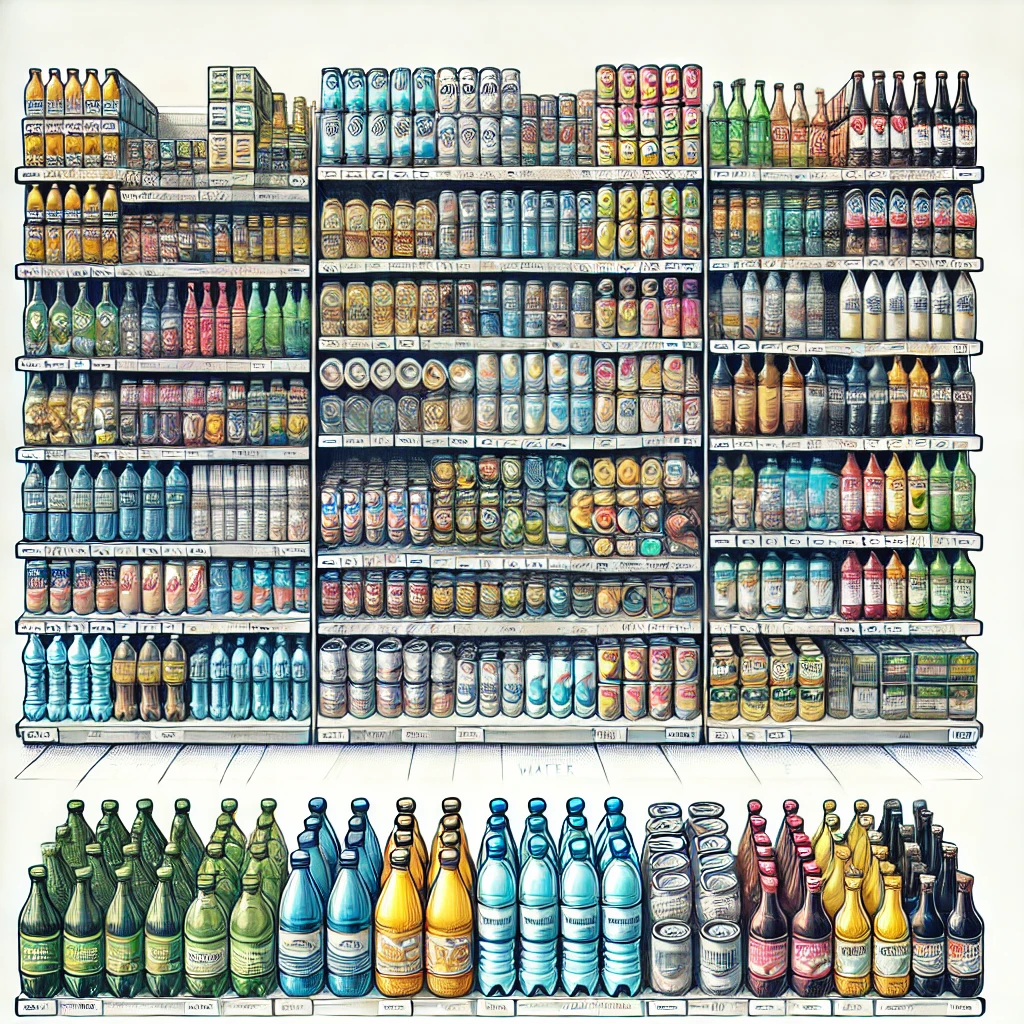
- Optimizing visibility: Products should be easily accessible to consumers and well positioned on shelves. This includes using planned displays and placement in high-traffic areas.
- Product positioning: Products placed at eye level are much more likely to be noticed and purchased. This is a basic principle in successful merchandising strategy, known as “eye-level is buy-level.”
- Use of technology: Collecting data and tracking results in real time through software platforms such as Movemar allows for precise strategy adjustments and on-the-spot corrections.
Read more about the basic principles here.
2. Types of merchandising – strategies for brands, distributors, and agencies
Merchandising can be implemented in various ways depending on the business objectives. In this article, we look at the different types of merchandising that are applied in various retail outlets:
- Retail merchandising: This involves the strategic placement of products in stores to maximize their visibility and create a pleasant shopping experience for customers.
- Visual merchandising: Focuses on the aesthetic presentation of products through window display design, lighting, color palettes, and interactive elements. This type of merchandising has a strong psychological effect and is key for brands in the fashion and luxury goods industries.
- Digital merchandising: Leverages online platforms and technologies to optimize sales by offering personalized recommendations and analyzing customer preferences. This includes data collection and automated tracking of digital promotion results.
Read more about the types of merchandising here.
3. The most effective merchandising techniques
The effectiveness of merchandising can be significantly increased by using specific techniques. Some of the most successful practices include:
- Eye-level positioning: As already mentioned, products at eye level are more likely to be purchased. This should be strategically planned in accordance with the type of product.
- Number of faces on the shelf: The more times a product is displayed with its front side facing forward, the more attention it attracts and the more popular it appears.
- Color schemes and lighting: Colors play an important role in creating emotional impact. Warm colors stimulate energy and urgency, while cool colors evoke trust and calm.
Read more about effective merchandising techniques here.
4. Merchandising standards – rules for effectiveness
Standards are the foundation of effective merchandising. They ensure that products are correctly positioned and that brands follow the same procedures in different retail outlets:
- Planograms: Strategically placed products on shelves according to specific rules increase visibility and sales. Planograms also ensure that the FIFO (First In, First Out) principle is followed, ensuring product freshness.
- Brand compliance: Every retail outlet must adhere to the brand’s visual identity. This includes POS materials, color schemes, and fonts that are consistent with the corporate style.
Read more about merchandising standards here.
5. Merchandising training – how to build a well-prepared and effective team
The effectiveness of merchandising operations depends on well-trained teams. Training should include:
- Basic principles of merchandising: Knowledge of the correct placement of products, use of floor plans, and positioning at eye level.
- Use of technology: Platforms such as Movemar reduce the need for lengthy training sessions by providing a clear schedule of priority tasks and real-time instructions.
Read more about merchandising training here.
6. Merchandising software – automation and database-driven decision making
Modern software solutions play an important role in optimizing merchandising processes. Movemar provides platforms for:
- Task automation: Field teams receive clear instructions on the priority activities they need to perform, while reducing human error.
- Data analysis: The ability to collect data in real time and generate reports helps managers make informed decisions and optimize strategies in retail outlets.
Read more about merchandising software here.
7. Chat applications and merchandising – limitations and lack of effectiveness
Chat applications may be convenient for quick communication, but they have serious limitations when it comes to structuring and processing data:
- Information overload: Chat applications often lead to the loss of important data in the flow of messages, which hinders work efficiency.
- Manual data processing: Automated reports cannot be generated, as is the case with specialized platforms that allow real-time data collection and analysis.
Read more about chat applications in merchandising here.
Conclusion
Merchandising is no longer just about arranging products—it is a strategic weapon for increasing sales, building a strong brand presence, and securing a competitive advantage at the point of sale. In the dynamic environment of modern commerce, companies must not only follow best practices, but also have the tools that allow them to be flexible, fast, and always in step with the market.
Solutions such as Movemar make this possible by providing a structured approach, automation, and real-time data that give teams control and confidence in every sales visit. For those who want to not just follow trends but dictate them, technology is no longer a bonus but a prerequisite for sustainable success in merchandising.