

The most effective merchandising techniques

Merchandising – A Complete Guide to Modern Retail
Merchandising standards – rules for effectiveness
Table of Contents
Merchandising standards – the basis of controlled execution
In the world of modern retail, where brands compete for limited shelf space, good positioning is no longer a matter of luck, but of clearly defined standards and control over their implementation. For distributors, merchandising agencies, and marketing teams that manage the presence of their products in multiple locations, merchandising standards are a key tool for efficiency, transparency, and sustainable growth.
By “standards” we mean not only floor plans and layout rules, but also:
- Uniform requirements for the number of people on the shelf, visual design, and promotional areas
- Compliance with the FIFO principle for products with a short shelf life
- Control over brand identity in the store environment
- Last but not least – clear processes for verification, reporting, and corrections

In this article, we will examine how well-structured merchandising standards ensure consistency across locations, improve the work of field teams, and enable brands to manage their presence with precision and predictability.
Floor plans and product layout by location
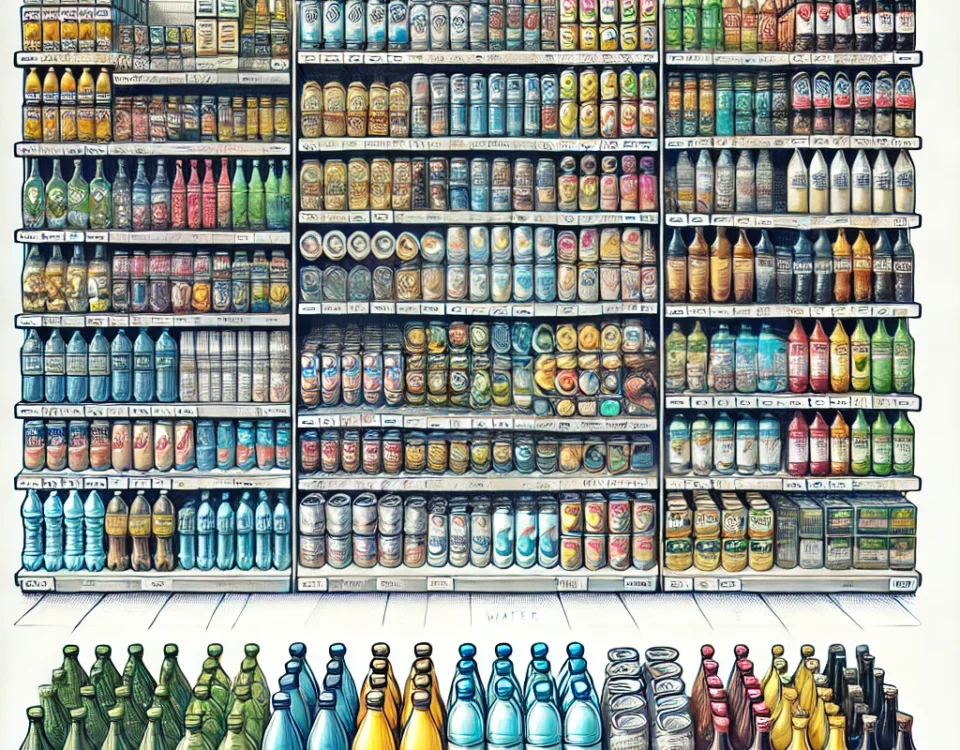
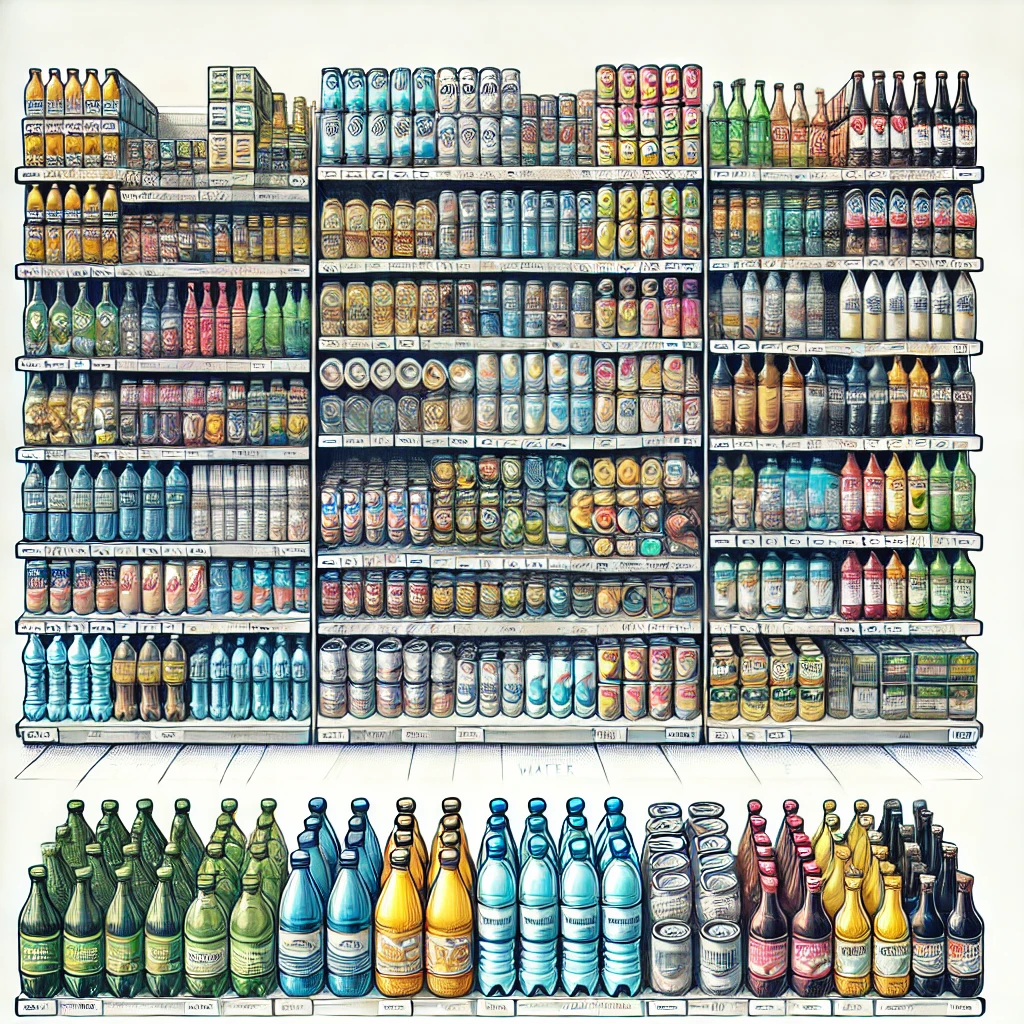
The planogram is one of the main tools in merchandising—it is a visual diagram or map of the shelf that describes exactly where and how each product should be positioned in the store. For brands and distributors, especially in the fast-moving consumer goods sector, the planogram is a way to ensure that:
- Their products receive optimal exposure
- Shelf space is used efficiently and according to priorities.
- The visual presentation is consistent across all objects.
What effective floor plans include:

- Number of faces on the shelf – an exact indication of how many times a product should appear frontally
- Position by height – high-priority products are positioned at eye level, while slower-moving products are positioned lower or higher.
- Proximity between products and categories – for example, sauces next to pasta, soft drinks next to chips
- Shelf zoning – distribution of space by categories, seasons, or margins
Why it matters:
Without clear plans, field teams work “by intuition,” which leads to discrepancies between the commercial strategy and the reality on the ground. Software such as Movemar allows:
- Attach floor plans directly to tasks for a given object
- Require “before and after” photos
- Monitor performance and automatically report compliance
Plans are not bureaucracy – they are an operational standard that makes merchandising measurable, verifiable, and effective.
FIFO principle and freshness control
FIFO (First In, First Out) is one of the most important principles in merchandising for products with a limited shelf life. Its goal is simple: what is delivered first must be sold first. But despite its logic, implementing this principle in a real-world environment requires attention, coordination, and active control on the part of distributors and merchandising teams.
Where is FIFO most commonly applied:
- Food and beverages – dairy, fresh, packaged, and chilled products
- Cosmetics and personal care products – especially those with natural ingredients and shorter shelf lives
- Pharmacies and parapharmacies – medicines and products with strict storage and shelf life requirements
What happens when FIFO is not followed:
- Older batches remain on the shelf and depreciate.
- This leads to defects and losses that directly reduce margins.
- Customers may encounter products with an approaching expiration date, which damages trust in the brand.
How field teams can ensure FIFO implementation:
- Regular checks on deadlines in commercial establishments
- Repositioning older batches at the front, if necessary
- Reporting non-compliance through mobile applications such as Movemar, with the option to take photos and add comments
FIFO software tracking allows not only problem detection, but also real control over freshness, rotation, and implementation of the warehouse and sales strategy.
Brand consistency and visual consistency
In the face of increased competition among retail chains, brand recognition and visual presentation are just as important as the product itself. Brands invest significant resources in building their identity—but that identity must be respected and maintained in every store, at every location. This is where the brand compliance standard comes into play – ensuring that merchandising execution complies with predefined visual and brand requirements.
What does brand compliance include:
- Proper use of POS materials – racks, stands, signs, wobblers, banners
- Colors, fonts, and graphic elements that must be consistent with the corporate identity
- Correct arrangement of products according to floor plans and communication highlights (e.g., new products, promotions)
What happens when there is no control:
- The brand’s vision becomes blurred or distorted
- POS materials are used incorrectly or not installed at all
- Lack of a uniform standard among different retail outlets, leading to an uneven consumer experience
How distributors and agencies ensure consistency:
Platforms such as Movemar enable:
- Setting specific visual standards per campaign or brand
- Requirement for photographic evidence and on-site inspections
- Deviations should be recorded automatically and redirected for correction.
Brand consistency is not “optional” – it is a guarantee that the brand is perceived the same way in every store, which builds trust, recognition, and loyalty.
Control and enforcement of merchandising standards in the field
The best merchandising standards lose their value if they are not applied consistently and monitored in a real environment. For brands and distributors, especially when working with external agencies or large field teams, performance control is key to the effectiveness of the entire commercial strategy.
What does effective field control mean?

- Clearly defined tasks and performance criteria, synchronized in advance with the teams
- Regular visits according to schedule, linked to goals – promotions, campaigns, new products
- Objective documentation of performance through photos, checklists, and digital reports
Most common challenges
- Lack of transparency regarding the actual situation in commercial establishments
- Delayed reporting and inability to make timely corrections
- Discrepancies between sites, regions, and teams
The role of digitization:
Software such as Movemar automates and facilitates the implementation of standards by offering:
- Tasks with precise instructions and attached floor plans
- Instant visual feedback through photos and statuses
- Intelligent alerts for omissions, with the possibility of real-time correction
This not only optimizes team performance, but also allows managers to have centralized and measurable control over the implementation of standards across the entire sales network.
Although the basic principles of merchandising are universal—good visibility, consistency, freshness, and visual appeal—each industry has its own specifics that require different standards and approaches to implementation. It is important for brands and distributors to adapt their merchandising standards to the product category, consumer behavior, and the specifics of the retail outlet.
Differences in merchandising standards between different industries
Fast-moving consumer goods (FMCG)
- Strong dependence on rotation and volumes – positioning in impulse zones, well-planned promotional campaigns, and clear pricing are important.
- Key standards: plans with exact numbers of people, deadline control (FIFO), constant availability, and synchronization with the promotional calendar.
Fashion and accessories
- Strong emphasis on visual impact and seasonality.
- Standards include: window display construction, mannequin positioning, themed campaigns, and emotional storytelling through the exhibition.
Electronics
- Focus on showcasing functionality and innovation – frequent display updates, replacement of demo products, requirements for maintaining demonstration areas.
- Standards: active testing areas, clearly marked specifications, correct connection of devices.
Cosmetics and body care
- Sensory experience and a feeling of luxury – aroma, light, clean design, well-maintained testers.
- Standards: precise arrangement, brand consistency in colors and materials, display cases with a focus on new or premium products.
Conclusion
Merchandising standards are not just an operational tool—they are the foundation of effectiveness, consistency, and control in any well-managed retail strategy. For brands, distributors, and merchandising agencies working with national and local retail chains, applying clear and measurable standards means:
- Better visibility of products at all points of sale
- Higher consumer confidence and brand recognition
- Lower risk of errors, defects, and missed sales
- Real data and traceability for informed decision-making
But even the best standards don’t work on their own. They require teams in the field who are trained, motivated, and understand how to apply these requirements in a real-world environment. This brings us to the next key element in the series.
👉 In the next part of “All About Merchandising,” we will look at:
“Merchandising training – building highly effective teams“ – what good training includes, what topics should be covered, which formats yield the best results, and how certification can increase team effectiveness and performance quality.
This publication is part of “Merchandising: A Complete Guide to Modern Retail” – a comprehensive resource covering all key aspects of merchandising: from strategies and techniques to standards, training, and software solutions.
📖 Read the main article here: Merchandising: A Complete Guide to Modern Retail